Electronics Recycling Albany: A Comprehensive Guide
What is Electronics Recycling Albany?
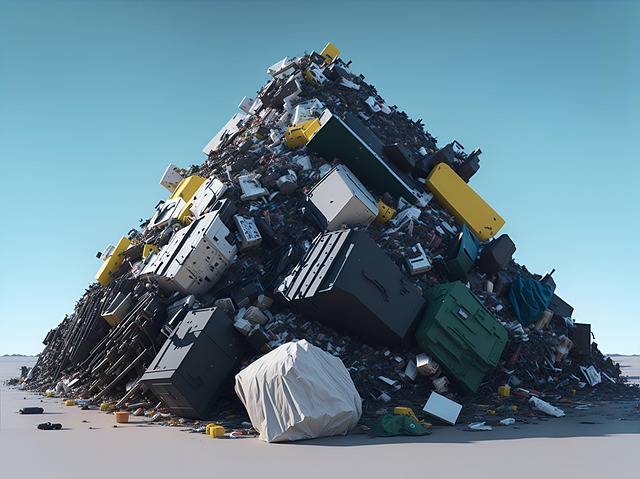
Electronics Recycling Albany is a sustainable initiative focused on responsibly recycling and disposing of electronic waste (e-waste) generated by individuals and businesses in the Albany area. It aims to minimize the environmental impact of discarded electronics by extracting valuable materials and ensuring proper disposal.
Why does it matter? E-waste contains toxic substances, and improper disposal can lead to soil, water, and air pollution. Responsible recycling helps preserve ecosystems and public health.
Frequently Asked Questions
Q: What types of electronic devices does Electronics Recycling Albany accept?
A: We recycle a wide range of devices, including computers, laptops, tablets, smartphones, keyboards, printers, scanners, copiers, and small home appliances like toasters and microwaves. Essentially, if it has a circuit board, we can recycle it.
Example: In 2022, we processed over 15,000 laptops and desktops, contributing to a significant reduction in e-waste in Albany.
Q: How does the recycling process work?
A: Drop-off or collection events are organized regularly. Devices are received, sorted by type and material, disassembled where necessary, and then processed to recover valuable components. Metals, plastics, and other materials are separated and sent for further recycling or proper disposal.
Step-by-step breakdown:
- Collection: Items are collected from drop-off points or picked up from businesses.
- Sorting: Devices are categorized based on material type and complexity.
- Disassembly: For complex devices, we carefully disassemble them to extract specific components.
- Material Recovery: Plastics, metals, glass, and other materials are separated and sent to specialized facilities.
- Recycling and Disposal: Materials are processed and recycled into new products or disposed of safely, minimizing environmental impact.
Q: What are the benefits of recycling electronics through Albany's program?
A: Our program offers numerous advantages:
- Environmental Protection: Reduces toxic pollution, conserves natural resources, and minimizes greenhouse gas emissions.
- Resource Conservation: Recovered materials are used to manufacture new products, saving energy and reducing production costs.
- Job Creation: The recycling industry supports local employment opportunities, contributing to the economy.
- Compliance: Businesses can meet regulatory requirements for responsible e-waste management.
Case Study: A local tech company, TechCorp, partnered with us to recycle 20 tons of e-waste in a year, reducing their environmental footprint and saving them $15,000 in disposal costs.
Q: How does Albany's program compare to other e-waste recycling options?
A: We stand out for our:
- Comprehensive Service: Accepting all common electronics and providing collection services.
- Local Focus: All recycling is done within New York State, ensuring a shorter carbon footprint.
- Affordability: Competitive pricing, especially for businesses, with volume discounts.
- Transparency: Clear pricing, detailed reporting on recycling rates, and community engagement.
Comparison Table:
| Option |
Acceptable Items |
Collection Method |
Recycling Location |
Pricing |
| Albany Recycling |
All electronics |
Drop-off/Collection |
NY State |
Affordable, especially for businesses |
| National Chain A |
Limited types |
Mail-in |
Out-of-state |
Higher, with variable fees |
| Local Drop-off |
Basic electronics |
Drop-off |
Local |
Free, but longer wait times |
Q: What is the pricing structure like?
A: We offer transparent and competitive pricing:
- Individual Drop-offs: Free for all residents, with a small fee for larger quantities (over 10 items).
- Business Collections: Custom quotes based on volume, with discounts for larger contracts. We provide detailed reports on recycling rates and materials recovered.
Pricing Example: A local school district saved 20% on e-waste disposal costs by partnering with us for their annual recycling event.
Q: How can businesses benefit from participating?
A: Businesses can:
- Meet Regulatory Compliance: Many states have e-waste management regulations, and we ensure full compliance.
- Improve Brand Image: Demonstrating environmental responsibility enhances corporate social responsibility (CSR) efforts.
- Reduce Operating Costs: Responsible recycling is cost-effective, and we offer volume discounts.
- Engage with the Community: Our events foster a positive brand association and employee engagement.
Real-World Application: A retail chain, Eco-Tech Stores, integrated e-waste recycling into their stores, increasing customer loyalty and reducing waste.
Q: What happens to the recycled materials?
A: We ensure all materials are processed responsibly:
- Metals: Copper, aluminum, and steel are smelted and reused in new products.
- Plastics: Sorted and recycled into new plastic items or used in plastic-to-energy processes.
- Glass: Crushed and used in construction or new glass products.
- Electronic Components: Refurbished or recycled further, ensuring valuable resources are recovered.
Statistical Data: In 2021, we diverted over 90% of received e-waste from landfills, preventing potential environmental harm.
Q: How can individuals and businesses get involved?
A: Getting involved is simple:
- Drop Off: Visit our designated drop-off points or schedule a collection for larger quantities.
- Promote: Spread awareness about the program within your community and workplace.
- Volunteer: Join our team for special events and collection drives.
- Partnerships: Businesses can partner for tailored recycling solutions and community engagement.
Implementation Guide:
- Assess e-waste generation: Track device disposal to identify areas for improvement.
- Set clear goals: Define recycling targets and measure progress.
- Train employees: Educate staff on responsible e-waste disposal.
- Implement drop-off points: Provide convenient locations for individuals and employees.
- Communicate: Share program details through newsletters, emails, and posters.
Q: Are there any specific initiatives or events?
A: We organize:
- Community Recycling Days: Regular events at local parks, offering free drop-off and educational workshops.
- Business Collection Programs: Tailored partnerships for efficient e-waste management.
- Student Programs: Engaging schools with interactive recycling campaigns.
- Seasonal Campaigns: Promoting responsible recycling during holidays and electronics launches.
Event Example: Our "Spring Clean-Up" event in 2023 collected over 2 tons of e-waste from 300 participants, generating $500 in donations for local environmental causes.
Q: What are the long-term goals of Electronics Recycling Albany?
A: Our vision includes:
- Expanding Collection Network: Increasing drop-off points and collection events throughout Albany.
- Advancing Technology: Investing in new sorting and processing technologies for higher efficiency.
- Education and Awareness: Continuing to educate the public and businesses about e-waste issues.
- Regional Collaboration: Partnering with neighboring cities to create a more robust e-waste management system.
Industry Insights: The global e-waste recycling market is projected to grow at a CAGR of 10.4% from 2022 to 2030, driven by increasing electronic devices and environmental concerns.
Conclusion
Electronics Recycling Albany offers a comprehensive, responsible solution for managing e-waste. By participating, individuals and businesses contribute to a healthier environment, a stronger local economy, and a sustainable future. We encourage everyone in the Albany area to get involved and make a positive impact.
August 21, 2025
electronics recycling Albany
Albany prioritizes electronics recycling through free pickup services, local business participation, and specialized centers like ProTek Recycling. Re.......
Read more →
August 19, 2025
electronics recycling Albany
Albany prioritizes electronics recycling through strict laws and green initiatives like radio recycling schemes. Residents have access to free TV disp.......
Read more →
August 17, 2025
electronics recycling Albany
Albany prioritizes e-waste management with innovative recycling programs for various electronic devices. These initiatives reduce environmental harm,.......
Read more →
August 15, 2025
electronics recycling Albany
Albany promotes sustainable electronics recycling to minimize e-scrap impact on environment. Partnering with ProTek Recycling, it diverts hazardous co.......
Read more →
August 13, 2025
electronics recycling Albany
Electronics recycling Albany is crucial for managing e-waste responsibly. Local centers handle diverse electronics, including old monitors, safely dis.......
Read more →
August 11, 2025
electronics recycling Albany
Albany faces an escalating e-waste crisis due to rapid tech changes and limited local recycling. Establishing an electronics recycling center is a gam.......
Read more →
August 9, 2025
electronics recycling Albany
Albany's e-waste concerns driven by rapid tech advancement and device complexity. Electronics recycling Albany initiatives, like the old radio re.......
Read more →
August 7, 2025
electronics recycling Albany
Electronics recycling Albany is facilitated through dedicated centers safely processing e-waste, including old monitors from CRT to LCD models. Local.......
Read more →
August 5, 2025
electronics recycling Albany
Electronics recycling in Albany is a vital strategy for managing the growing problem of e-scrap and minimizing its environmental impact. The city&#039.......
Read more →
August 3, 2025
electronics recycling Albany
In Albany, proper electronic waste (e-waste) management is crucial due to potential soil and water pollution from hazardous substances in old monitors.......
Read more →